
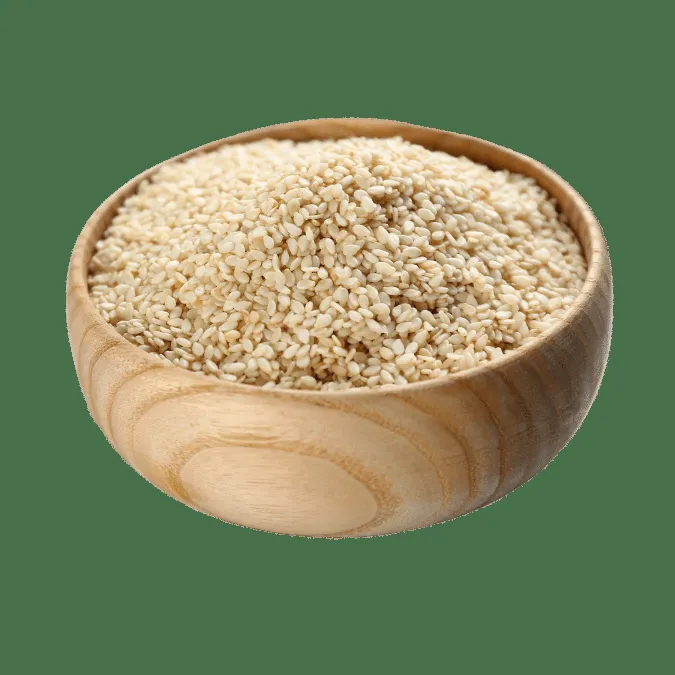
Sesame is a small ingredient with a major role in food production. It appears in bakery toppings, tahini, confectionery, snack coatings, seasoning blends and many other products. For commercial buyers, choosing a hulled sesame seeds supplier involves more than comparing prices. The seeds need to match the intended application, arrive in a consistent condition and be packed appropriately for storage and transport. Clear specifications at the purchasing stage help manufacturers avoid variations that can affect flavour, appearance and production performance.
Understand What Hulling Changes
Hulled sesame seeds have their outer covering removed, giving them a lighter appearance, smoother texture and milder flavour than many natural, unhulled seeds. These characteristics make them particularly useful where the seed is highly visible or contributes directly to the texture of the finished food.
Tahini producers may focus on uniformity and flavour after roasting, while bakeries may care strongly about colour and seed appearance. Confectionery manufacturers can have different requirements again. Before selecting a grade, a buyer should identify exactly how the ingredient will be processed and what characteristics are most important in the final product.
Build a Useful Product Specification
A good purchasing specification replaces vague descriptions such as “premium quality” with measurable expectations. Depending on the product and destination market, buyers may consider purity, moisture, colour, foreign matter, broken seeds and relevant microbiological or residue limits.
Hulled sesame seeds are generally supplied as whole, dehulled seeds with a creamy white to off-white appearance and a mild, nutty flavour. Processing commonly involves hulling followed by cleaning, grading and sorting. These are the kinds of details commercial buyers should confirm before ordering.
The final specification should reflect the buyer’s own quality system rather than relying only on a supplier’s standard description.
Test the Ingredient in the Actual Recipe
A sample can look suitable and still behave differently during processing. That is why production-style testing is valuable before a large order is approved.
For sesame, roasting can influence aroma, colour and flavour. Grinding affects tahini texture, while baking may change the way the seed looks and tastes on breads or crackers. A representative sample should therefore be tested under conditions close to normal production.
Keeping an approved sample or recorded specification also gives quality teams a useful reference when future deliveries arrive.
Different Seeds Need Different Buying Criteria
Procurement teams should avoid applying the same checklist to every seed. A company buying from a mustard seeds supplier, for example, may need to consider variety and flavour profile as well as cleanliness and consistency.
Black and yellow mustard seeds can serve different food applications. Black mustard generally provides a stronger, sharper character, while yellow varieties tend to offer a milder profile. This difference matters to condiment makers, seasoning manufacturers, pickle producers and businesses using whole seeds in spice blends.
A buyer should therefore identify the required variety before requesting a quotation. Ordering simply “mustard seeds” without clarifying the intended flavour, colour or processing use can create avoidable confusion.
Pay Attention to Packaging and Storage
Bulk seeds contain natural oils, so appropriate handling and storage are important. Packaging should protect the product against moisture, contamination and unwanted odours during shipment and warehousing.
Before confirming an order, buyers should discuss pack size, bag type, inner liners when required, labelling and batch identification. Storage areas should be clean, dry and suitable for food ingredients. Stock rotation is also useful, particularly for businesses holding larger inventories.
Importers should consider the entire route from the supplier to the production floor. Packaging that works for a short domestic journey may not always be the best choice for a longer international supply chain.
Assess Repeatability, Not Just One Order
The real value of a supplier becomes clearer over several shipments. Agricultural products naturally vary, but commercial manufacturers still need deliveries to remain within agreed limits.
Incoming inspections can track colour, aroma, cleanliness and other relevant parameters. Production teams should also report whether an ingredient performs differently from the approved standard. Sharing this information with the supplier can help identify problems before they become recurring issues.
Reliable communication about availability, lead times, packaging and specification changes is just as important as the first sample.
Conclusion
Buying hulled sesame and mustard seeds for food manufacturing requires a structured approach. Buyers should begin with the final application, define measurable specifications, test representative samples and confirm packaging before placing larger orders. They should also recognise that different seed types require different quality and flavour considerations. When procurement decisions focus on consistency and production suitability rather than price alone, manufacturers can reduce unnecessary variation and create a more dependable ingredient supply chain.
