
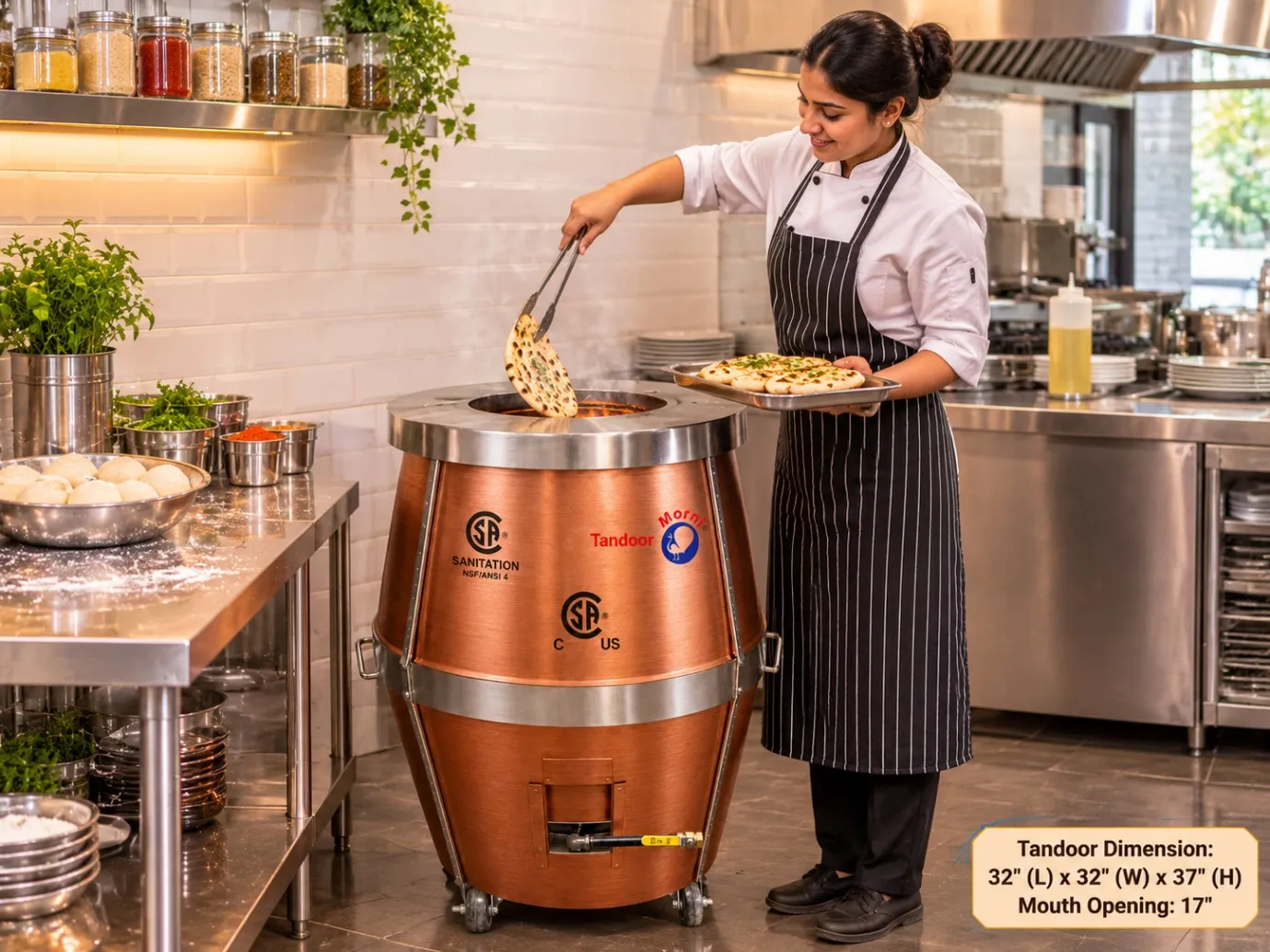
Tandoor oven
Opening a restaurant means answering one question hundreds of times: what exactly are we serving? For owners who want tandoori dishes on the list, the answer shapes the kitchen, the staffing, and the first month’s budget. A tandoor oven can anchor a menu beautifully, but only when the dishes are chosen with its strengths in mind. This article walks through building that menu step by step, so the opening list feels focused instead of crowded, and the kitchen can deliver it every night. A restaurant tandoor oven rewards a menu that is planned around skewers and breads.
Define Your Restaurant’s Identity First
A tandoori menu looks different at a fast casual counter than in a white-tablecloth dining room. Decide who your guests are, how long they will stay, and what price range feels comfortable for them.
Your concept also tells you how many dishes to offer. A compact list often feels more confident, and it keeps preparation manageable for a team that is still learning to work together. Starting small is not a weakness; it is a strategy that protects cash and quality. Even a restaurant tandoor oven with generous capacity performs best on a focused list.
Before you compare any restaurant tandoor oven for the kitchen, write the concept in two sentences and share it with your head cook. Every later decision can then be tested against those words.
Choose a Core of Signature Dishes
Pick five to seven dishes that define the restaurant, such as a classic chicken tikka on skewers, a lamb seekh kebab, a paneer option, and two breads. These become the dishes your staff cooks best, because they cook them most.
Signature items also simplify buying. Fewer ingredients mean less waste, simpler storage, and more predictable costs during the uncertain first weeks.
Resist the urge to fill every page. A confident short list built around one tandoor oven lets guests taste what the kitchen does best, and it makes training faster. Add side dishes and desserts only after the core items run smoothly. Skewers of tikka and kebab show off a tandoor oven better than a long list of sides.
Balance Bread, Meat, Paneer, and Vegetables
A well-built tandoori menu gives every guest something to order. Include meat and seafood on skewers where your concept supports them, at least two vegetarian mains, and a few breads that suit both.
Think about how dishes pair on one table. Guests who order skewers will usually want bread, a dip, and something fresh to cut through the richness. Balance also keeps the kitchen from favoring one dish while neglecting the rest.
When you study each restaurant tandoor oven on your shortlist, check how many skewers and breads the chamber can handle at once. That number tells you how wide the menu can safely be. A smaller chamber means fewer skewers per round, so the menu should stay shorter.
Estimate Ingredient Needs and Costs
Work out the cost of every plate, including marinade ingredients, protein per portion, and garnish. A menu that looks profitable on paper can lose money if one ingredient runs expensive. Include small items such as oil, foil, skewers, and packaging, since they add up quickly.
Estimate weekly quantities from conservative sales guesses, then adjust once real orders arrive. Overbuying perishable items such as yogurt and fresh meat is a common opening mistake, so keep a simple spreadsheet from week one.
Ask suppliers about delivery schedules, and compare these figures with the running costs of the restaurant tandoor oven you are considering, such as fuel, skewers, and cleaning supplies. Costs live in many places, not only on the invoice.
Write Menu Descriptions Guests Understand
Many diners know naan but not kulcha, or tikka but not malai tikka. Short, friendly descriptions help guests order with confidence and reduce questions for your servers.
Mention the main ingredients, the style of cooking, and any spice level in a single line. Avoid vague praise, since plain details sound more trustworthy and prevent disappointed guests.
Staff should be able to explain how each dish is made in the tandoor oven, including why bread sticks to the chamber wall. That small story makes ordering more enjoyable, so train servers with a tasting session before opening. Servers should also know which dishes come on skewers and which cook against the wall of the restaurant tandoor oven.
Match Dishes to Cooking Times
Some dishes finish in minutes, while larger cuts on skewers need longer. If every popular item needs the same slow cook time, the kitchen will stall during a rush.
Mix quick items with slower ones across the menu so the restaurant tandoor oven always has useful work. This also helps guests who want food soon and those who prefer a leisurely meal.
Cooks who know the habits of a tandoor oven can predict when each dish will be ready, so the menu should reflect those timings rather than hide them. Mark preparation notes on a simple chart next to the station, and share it with servers too.
Test Recipes Before Opening Week
Cook every dish at least three times before opening. Note the marinade time, the number of skewers per load, and the cooking time for each batch. Write down each result so that every cook sees the same standard.
Invite friends, family, or neighbors for a tasting and ask for honest feedback. Small details such as salt, spice, and portion size are easier to fix in practice than after launch. Mistakes made privately cost almost nothing.
If you have already chosen a restaurant tandoor oven, use these trial sessions to learn its heating pattern and how it behaves under steady use. Record what you learn so new hires can follow it, and keep the best recipes in a binder. Practice with skewers of different sizes so you learn what the tandoor oven handles well.
Plan Specials Without Overloading the Kitchen
Specials add excitement, but they also add complexity. Limit them to one or two a week, and use ingredients already on hand.
A weekend special can reuse the same marinade base with a different protein on skewers, or shape a familiar bread into something new. Seasonal vegetables are good candidates, and the cooks stay comfortable while guests see variety.
When planning around a restaurant tandoor oven, consider how a special changes loading, skewer use, timing, and cleaning. If it disrupts the rhythm of the station, save it for slower days, and write it on a board so servers can describe it.
Revisit the Menu After the First Month
Real sales data is more honest than any forecast. Review which dishes sell steadily, which are ignored, and which cause delays.
Remove or rework weak items, and consider promoting favorites with better placement on the menu. Ask servers what guests say, since they hear comments you will never see. Be willing to cut a dish the kitchen dislikes, even if the owner loves it.
A menu built around a tandoor oven can grow carefully with feedback, adding one dish at a time. Treat the opening list as a first draft, schedule a review every quarter, and remember that guests notice consistency before they notice novelty.
Conclusion
Menus are promises, and a new restaurant makes its first promises before the doors even open. A tandoori list that is focused, tested, and honestly described helps the kitchen keep those promises on busy nights and quiet ones alike. Take your time with the early drafts, and let real guests teach you what to change. When equipment decisions come up, Tandoor Morni is one place to look at a restaurant tandoor oven and related cooking gear while you refine the plan. Keep the menu small enough to master, from the first skewers to the last bread, and the rest will follow.
