
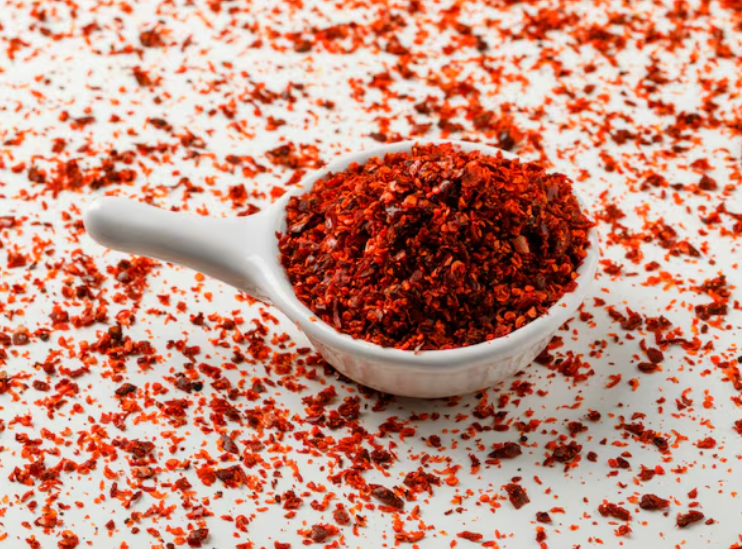
The first impression of food products is usually perceived by the visual appearance before the taste and texture are appreciated. Therefore, manufacturers invest time in selecting ingredients to provide consistent and appealing color in the manufacturing process. For many years, annatto food color has been used, as it is a plant-based food color, which gives a warm yellow to orange color. Annatto Extract is also versatile for various formulations applied in the commercial food industry.
Seeds Create Color
The coloring agent is derived from the seeds of the achiote tree, which has been used in various food preparations for many years. These seeds are used for the production of Annatto Extract, which can be used commercially, through modern processing, without losing their natural coloring properties. In most uses, manufacturers choose annatto food color due to the color imparted by this plant source that shows through in the food without altering the intended taste. Actually, the color is dependent on the concentration and formulation.
Different Foods Respond
Each recipe is unique due to the variance in color performance of ingredients, moisture, acidity and processing. Manufacturers assess the food coloring value of annatto by testing the actual product, rather than just on laboratory samples. Annatto Extract will hold up well in products like cheese, butter, bakery products, sauces, snacks, dairy products and ready-to-eat (RTE) foods under appropriate manufacturing conditions.
Processing Shapes Results
When commercial food production commences, several factors may affect natural colors. Long-term product appearance is affected by heat treatment, storage, exposure to oxygen and packaging. Pre-production testing of Annatto Extract is typically conducted prior to its use in regular manufacturing. Similar production trials are used to help manufacturers determine the color performance of annatto food color during processing, packaging, distribution and the anticipated shelf life of the product.
Selecting Ingredients Carefully
When selecting a natural color, you will need to consider how the color looks as well as how it performs, rather than relying on a color sample. Many manufacturers make a comparison of quality documentation, certifications, supplier support and formulation compatibility prior to the purchase of ingredients. Repeatable production results with Reliable Annatto Extract. A high-quality annatto food color also helps to minimize formulation adjustments during normal commercial use.
Supporting Product Variety
Many of the natural color ingredients are found in a wide variety of foods as manufacturers continue to add products based on ingredients that are familiar to consumers. Annatto food color can be used in certain warm colored applications such as beverages, processed foods, bakery goods, dairy products, sauces, snacks, and confections. Product developers have yet another pragmatic choice to make when developing plant-based coloring ingredients that are reliable in formulas for various commercial applications when using Annatto Extract.
Practical Manufacturing Focus
High-quality production requires that ingredients behave predictably and not produce unexpected variations in the production process. Before commercializing new ingredients, business typically uses practical trials of production to assess them. An evaluation of the formulation of annatto food color under real manufacturing conditions provides an opportunity to make formulation changes before larger production runs. Annatto Extract is also carefully evaluated, which allows for product consistency over long periods and streamlines regular production and development of new products.
Conclusion
Natural food colors work best when the food’s ingredient selection is based on the desired food functionality, processing conditions and appearance, rather than appearance alone. For manufacturers in the development of naturally colored food and beverage products in numerous commercial applications, foodrgb.com offers food coloring ingredient solutions that include annatto food color and Annatto Extract. Planning formulation, ingredient evaluation, and production testing contribute to an increased level of consistency and to reliable production results. Natural color choices that meet technical needs and sustainability desires should be considered through companies’ planning for the sustainability of their products.
