
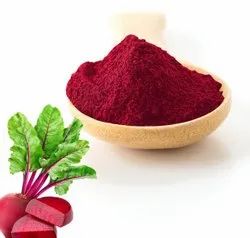
Many buy a product based on its appearance before looking at the label. This rapid response is one of the reasons why color is given much consideration in food development. The Color Of Beetroot is often mentioned when manufacturers are looking for colorful red/pink hues in various applications. Color performance is typically discussed during product teams’ time spent under production conditions. There is an appearance that may seem straightforward, but there are numerous factors that affect the final product’s appearance.
Different Foods Respond
The colors in food products do not all respond to the colors in the same way. For instance, a drink might be different from a bakery product or a frozen treat. Ingredients react to each other, and sometimes the reaction is unexpected. This is why organic food coloring is frequently tested directly in the product it is to be used in. A group of samples is normally created by the development teams and the results compared. Such evaluations can give helpful information that can inform more practical ingredient selection decisions.
Processing Changes Outcomes
The process of food manufacturing takes place through numerous processes which can impact the appearance of food. The heating, mixing, cooling and storage conditions influence the final product. Some color changes may occur due to changes in the formulation, even if they are small. Colour Of Beetroot may look somewhat different after processing than in early testing. Before going into mass production, manufacturers may perform test runs. This process helps detect any potential problems and also provides a better understanding of the performance of ingredients to product developers.
Storage Brings Challenges
Consumers can expect products to be in storage for extended periods in warehouses, transport systems and retail stores. Even in that time of people’s lives, there is a great significance to appearance as being consistent. Therefore, storage assessments are usually conducted during development. Organic food coloring ingredients are regularly tested under various circumstances to see how they will perform over the long haul. Teams of products are compared and documented with care over time. The data gathered can aid businesses in making decisions in advance of increased commercial production.
Consistency Matters Most
Consumers expect the same products to be the same on each and every occasion of sale. Sometimes slight variations can be detected when products are compared. Manufacturers will put effort into ensuring consistency during manufacture. Colour Of Beetroot is generally monitored when quality checks are carried out to ensure that the visual expectations are being met. Monitoring and batch comparisons help minimize variation. These practices help to ensure consistent look in production cycles.
Choosing Suitable Ingredients
When making a selection of ingredients, there isn’t only one way to do it that is purely aesthetically pleasing. Formulation compatibility, storage, processing conditions and production efficiency are all factors that are taken into account by product developers. An analysis of organic food coloring options often accompanies these considerations. An ingredient that is effective in a drink might not be as effective in a confectionery product, and vice versa. Testing is still an important aspect of the process, as the demands for food vary significantly between product groups and applications.
Product Development Process
Failure to repeat tests may be needed to get a successful product. Teams inspect how well ingredients work, share findings of their investigations and adjust their experiments as needed. Broader use of the Color of Beetroot may be evaluated using pilot batches, stability studies, and production observations. Information from each of these stages is collected by development teams and is used to inform future decisions. The process is a gradual one which helps the businesses to understand how the ingredients will behave under the real manufacturing conditions.
Looking Beyond Trends
The food industry is constantly evolving, but regardless of market preferences, there is a need for practical performance. Manufacturers still require ingredients that meet the product needs and production objectives. Organic food coloring still has a spotlight on it since there are several considerations businesses take into account when they are making selections. Ingredient reviews include technical information, application guidance, and practical testing. By disregarding the trend, product developers can concentrate on solutions that will meet operational needs as well as long-term product goals.
Conclusion
Color is an important factor in food products since eyes often deceive the taste buds before the flavor or texture is experienced. For those seeking ingredient details or coloring options, businesses can visit the website foodrgb.com for valuable resources and industry insights. Color Of Beetroot and organic food coloring are still applicable in a wide range of food applications where the visual impression of the product is important. The effectiveness of their use will vary based on factors like formulation information, processing techniques, storage conditions and intended uses. Appropriate research and product trials allow farmers to make informed choices. Carefully make sure you don’t forget what capabilities you need and use the answers to be able to help your product improvement goals well.
